Doing Business in Myanmar: A Practical Guide

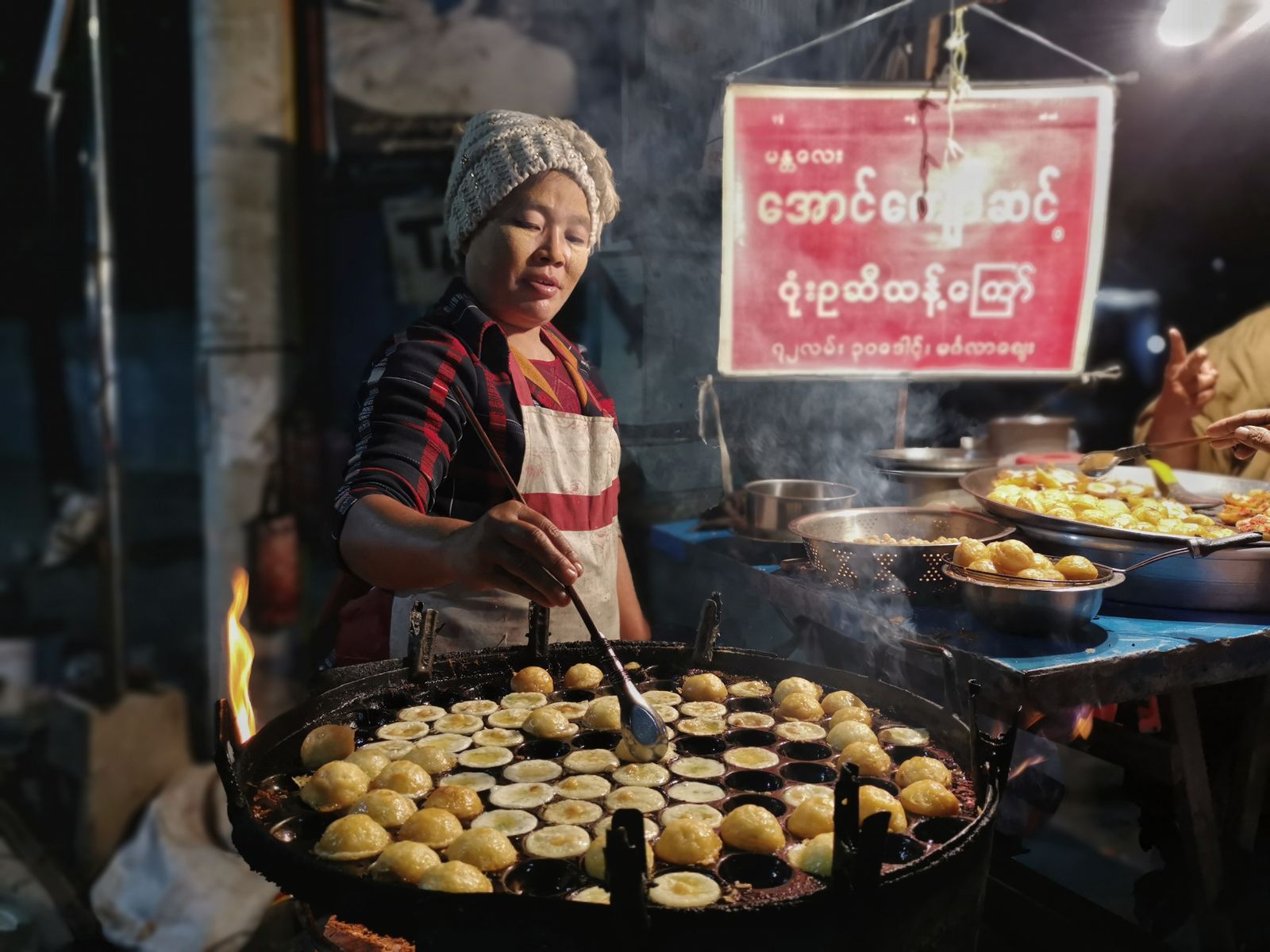
Photo: Munzir (Pexels)
Myanmar’s business environment has undergone profound change in recent years, and anyone considering trade, investment, or commercial engagement must approach the subject with a clear-eyed understanding of both the opportunities and the significant risks involved. This guide offers a general orientation — covering company registration, key economic sectors, banking realities, and the sanctions landscape — but it is not legal or financial advice. Seek qualified professional counsel before making any business decision involving Myanmar.
A Note on the Current Business Environment
The business environment in Myanmar changed dramatically after February 2021 and has continued to evolve. Before reading any further: if you are considering trade with or investment in Myanmar, consult a qualified legal and compliance professional who is current on the regulatory and sanctions picture. Conditions change frequently, and operating without proper due diligence carries serious legal and reputational risk for businesses and individuals in many jurisdictions.
Company Registration in Myanmar
Before February 2021, Myanmar had undertaken significant reforms to attract foreign direct investment. The Directorate of Investment and Company Administration (DICA) was the principal body for company registration, and an online registration portal (MyCO) was introduced to simplify the process. The Myanmar Companies Law (2017) introduced more flexible corporate structures and improved access for foreign-owned entities.
In general terms, the registration framework historically included:
- Wholly foreign-owned companies in permitted sectors
- Joint ventures between foreign and Myanmar citizens or entities
- Domestic companies for Myanmar nationals
Certain sectors were restricted or required higher levels of domestic partnership. Special Economic Zones (SEZs) offered separate regulatory frameworks with additional incentives.
Important caveat: The regulatory environment, administrative processes, and practical functioning of institutions like DICA have all been affected by events since 2021. Anyone seeking to register a company or structure investment in Myanmar today must verify current requirements through qualified local legal counsel, not rely on pre-2021 guidelines.
Key Economic Sectors
Myanmar’s economy has historically centred on several major sectors, many of which carry significant due-diligence complexity given the current environment.
Natural Resources
Myanmar is rich in natural resources: natural gas, oil, minerals (including jade and gems), timber, and agricultural land. The gems and jade sector in particular — explored in our Myanmar gems and jade guide — has long been a significant export earner. However, this sector is also closely tied to sanctioned entities and networks; due diligence here is especially demanding.
Agriculture and Food
Rice, pulses, and seafood are significant agricultural exports. Myanmar has historically been one of Southeast Asia’s larger rice producers. Agribusiness and food processing have attracted interest from regional investors.
Garments and Manufacturing
The garment and light manufacturing sector grew considerably in the 2010s, serving global brands through export-oriented factories. This sector has faced disruption, labour rights scrutiny, and shifting international brand policies since 2021.
Tourism and Hospitality
Before 2020, tourism was a growing contributor to the economy. The sector has contracted sharply. Some operators continue to work in the market; others have exited.
Infrastructure and Energy
Power generation, logistics, and infrastructure projects have attracted regional investment, particularly from China, India, Thailand, and Japan. These projects involve state entities, which raises specific sanctions considerations depending on the investing party’s jurisdiction.
Banking and Payments: Practical Realities
The banking sector in Myanmar has faced severe strain. Several major international banks significantly reduced or ended their Myanmar operations. Domestic banks have experienced restrictions, liquidity pressures, and operational disruptions.
For businesses attempting to transact with Myanmar counterparties, the practical realities include:
Limited correspondent banking. Many international banks have cut or severely restricted correspondent relationships with Myanmar banks, making cross-border transfers difficult and sometimes impossible through conventional channels.
Currency volatility. The Myanmar kyat has experienced significant volatility. Contracts and pricing in foreign currency carry exchange-rate risk; contracts in kyat carry inflation and convertibility risk.
Cash dependency. In many sectors, transactions revert to cash in the absence of functional banking channels — which raises its own compliance, anti-money-laundering, and operational risks.
Payment workarounds. Some operators use regional financial hubs (Singapore, Thailand) for payment flows. These workarounds require careful legal and compliance review in every jurisdiction involved.
If you are exploring business with Myanmar counterparties, your bank’s compliance team and a qualified AML/sanctions lawyer must be involved from the outset.
Sanctions and Due Diligence: What You Must Know
This section is the most important in this guide for any business reader.
Sanctions exist. The United States (OFAC — Office of Foreign Assets Control), the European Union, the United Kingdom, Canada, and Australia all maintain sanctions regimes related to Myanmar. These target specific individuals, entities, and sectors connected to the Myanmar military (Tatmadaw) and associated businesses.
Sanctions are complex and change. Designated individuals and entities appear on lists that are updated periodically. Sectors such as gems, jade, timber, and arms are subject to specific restrictions. Even transactions that do not directly involve a sanctioned party can trigger sanctions risk if funds or goods transit through sanctioned networks.
What this means in practice:
- Any business or individual subject to US, EU, UK, Canadian, or Australian jurisdiction must screen counterparties against current sanctions lists before any transaction.
- Working with state-owned enterprises in Myanmar carries elevated risk, as many have been designated or are linked to designated entities.
- Supply chains sourcing materials from Myanmar (particularly jade, gems, or timber) require tracing to confirm no sanctioned entity benefits.
- Financial institutions will conduct their own screening; non-compliant transactions may be blocked, reported, or result in enforcement action.
This guide does not provide legal advice. The above is general orientation only. The sanctions landscape is nuanced, jurisdiction-specific, and changes frequently. Consult a qualified sanctions and export-control lawyer in your jurisdiction before any engagement with Myanmar. Penalties for violations can include significant fines, asset freezes, and criminal prosecution.
Useful official resources (verify current status directly):
- US OFAC: ofac.treasury.gov
- EU sanctions: sanctions.ec.europa.eu
- UK OFSI: gov.uk/government/organisations/office-of-financial-sanctions-implementation
Responsible Business Considerations
Beyond legal compliance, many businesses operating in or sourcing from Myanmar face reputational and ethical questions. International investors, brands, and NGOs have published guidance on responsible engagement, human rights due diligence, and supply chain tracing. The UN Guiding Principles on Business and Human Rights provide a widely-used framework.
Industries sourcing raw materials, manufactured goods, or services from Myanmar are increasingly scrutinised by investors, customers, and regulators — particularly in Europe, where supply chain due diligence legislation is advancing.
Finding Business Partners and Suppliers
For those conducting legitimate research on Myanmar’s commercial landscape — suppliers, distributors, or sector-specific information — our Myanmar business directory lists companies across sectors and regions.
For information on Myanmar’s manufacturing and export products, see our guide to made in Myanmar, which covers key export industries and what Myanmar produces for regional and global markets.
FAQ
Is it legal to do business with Myanmar companies?
It depends entirely on your jurisdiction, the specific counterparty, the sector, and the nature of the transaction. US, EU, UK, and other sanctions regimes restrict certain transactions and counterparties. There is no universal answer. Consult a qualified sanctions lawyer in your country before any engagement.
What is DICA in Myanmar?
DICA stands for the Directorate of Investment and Company Administration, the body historically responsible for company and investment registration in Myanmar. Its processes and operational status have been affected by events since 2021. For current requirements, consult a qualified local legal advisor.
Which sectors are subject to the strictest sanctions scrutiny?
The gems, jade, and precious stones sector, arms and military equipment, timber, and entities directly linked to the Tatmadaw (Myanmar military) and its business conglomerates face the most intense sanctions scrutiny across multiple jurisdictions. These sectors require exceptional due diligence.
Can I open a bank account for a Myanmar business?
Access to banking for Myanmar-related business has become significantly more restricted since 2021. International banks have reduced or ended correspondent relationships with Myanmar banks. This must be assessed case-by-case with a banking compliance team and legal counsel in your jurisdiction.
Where can I find official sanctions lists?
The US OFAC SDN List, the EU Consolidated Sanctions List, and the UK OFSI consolidated list are the primary resources for Western-jurisdiction businesses. Always check directly on official government websites, as lists are updated frequently and third-party databases may lag. Legal counsel should conduct formal screening.