The Best Time to Visit Myanmar (2026)
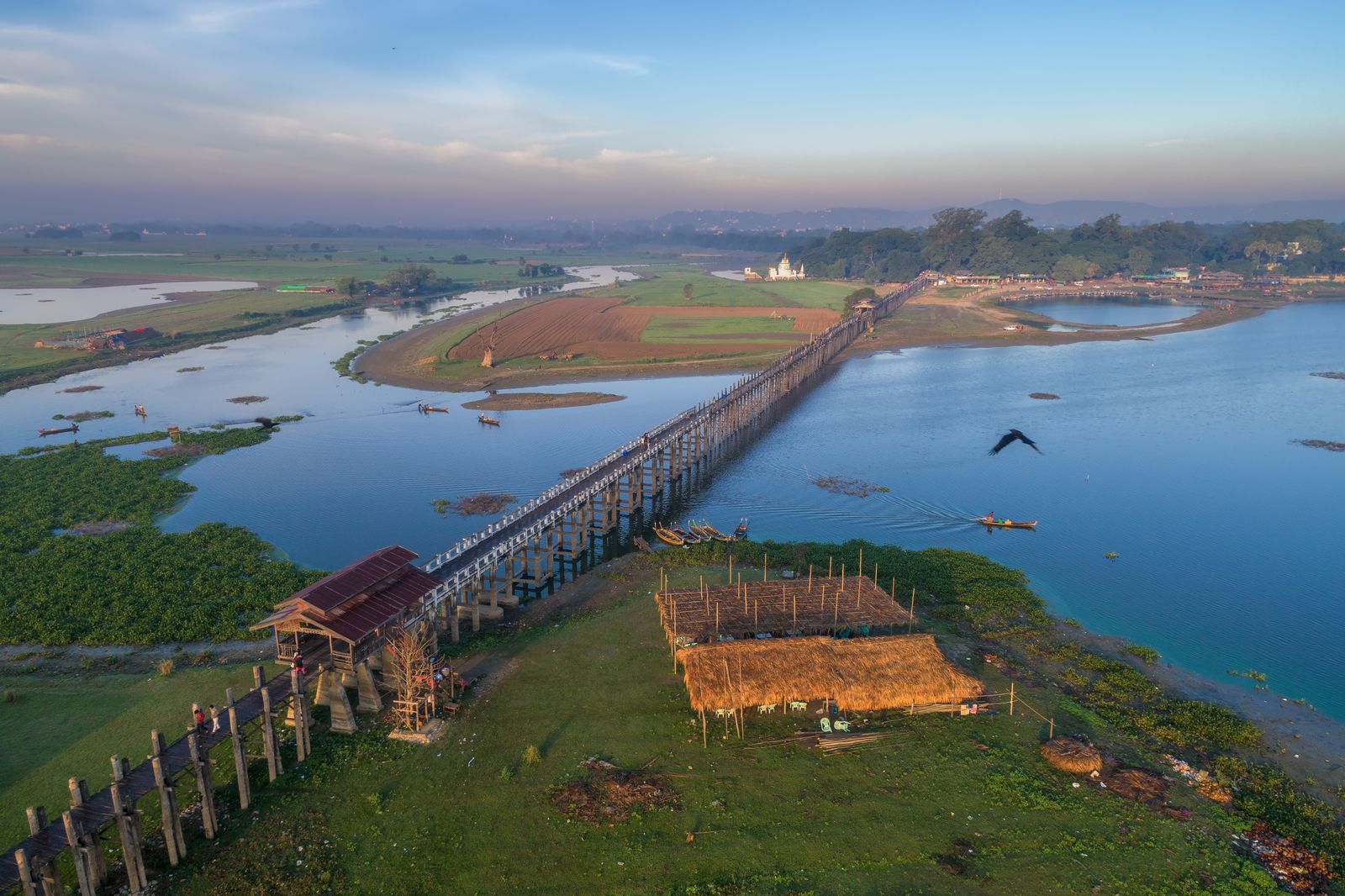
Photo: Valeriy Ryasnyanskiy (Pexels)
The best time to visit Myanmar for most travelers is November through February, when the cool dry season brings clear skies, comfortable temperatures, and passable roads across most of the country. That said, the right time for your trip depends heavily on where you want to go, what you want to do, and how much you’re willing to pay. Shoulder season visitors (October and March) often find a rewarding balance of good conditions and lower prices, while the monsoon months suit budget-focused travelers who don’t mind rain and flexibility.
Note: Entry requirements, border crossing conditions, and regional safety situations can change. Always check current official travel advice from your government (e.g., France Diplomatie, UK FCDO, US State Department) before booking.
Best Time to Visit Myanmar Overall
November to February is widely considered the optimal window. The Southwest Monsoon has ended, harvest festivals are underway, temperatures across lowland Myanmar are manageable, and roads that become rivers in July are again passable. This is also when the famous Bagan balloon season operates, when the Ngapali beach resorts are fully open, and when Inle Lake is calm enough for boat trips. Expect higher accommodation prices and advance booking requirements at popular sites during December and January in particular.
March to May (hot season) suits travelers comfortable with heat and seeking lower prices. April’s Thingyan Water Festival is one of Southeast Asia’s most exuberant celebrations and is worth planning around specifically.
June to October (monsoon) is for experienced, flexible travelers. Some remote areas become inaccessible, but the country’s famous pagodas look stunning in the mist, and highland areas like Kalaw offer cool trekking conditions away from the downpours that hit the coast.
Best Time by Activity
Hot Air Ballooning in Bagan
Ballooning over the Bagan plain — with its thousands of ancient temples emerging from morning mist — is one of Southeast Asia’s most iconic experiences. Balloon flights typically operate October through April, with the peak season for clear, calm morning conditions being November through February. Operators suspend flights during the monsoon due to wind and visibility conditions. Check directly with operators for current season dates, as schedules can vary year to year.
Trekking in the Shan Hills and Chin Hills
The cool dry season (November–February) is the most popular time for trekking around Kalaw, Hsipaw, and the Chin Hills. Trails are dry, views are clear, and temperatures are ideal for walking. The early monsoon (June) can actually offer beautiful green landscapes for trekkers willing to deal with mud and leeches. July through September is generally too wet for comfortable or safe highland trekking on less-maintained paths. Local operators with up-to-date trail knowledge are invaluable — always consult them before setting out.
Beaches at Ngapali and the Rakhine Coast
The Rakhine coast faces the Bay of Bengal directly and receives some of the country’s heaviest monsoon rainfall. The beach season at Ngapali runs from approximately November to April. Many resorts and guesthouses close entirely from May through October. If a beach holiday is your priority, plan firmly within the cool dry season window and confirm your accommodation’s operating dates in advance.
Attending Festivals
Myanmar’s festival calendar is rich year-round. Key events tied to specific seasons include:
- Thingyan Water Festival (mid-April, hot season) — the New Year celebration involving city-wide water throwing; chaotic and joyful
- Thadingyut Festival of Lights (October, post-monsoon) — celebrates the end of Buddhist Lent with candles and lanterns
- Tazaungdaing (November, cool dry season onset) — weaving competitions and lantern launches in Taunggyi
- Ananda Pagoda Festival (December/January) — one of Myanmar’s largest religious gatherings, held at Bagan
For a full rundown of dates and traditions, see our Myanmar festivals guide.
Visiting Yangon and Mandalay Year-Round
Both major cities operate year-round, and urban sightseeing remains possible even during the monsoon. If Myanmar weather is not cooperating, temple interiors, museums, and markets offer shelter. That said, outdoor experiences — Mandalay Hill at sunset, the gardens of Kandawgyi Lake — are far more pleasant in the cool dry season.
High Season vs. Shoulder Season vs. Low Season
| Period | Conditions | Crowds | Prices |
|---|---|---|---|
| Dec–Jan (High) | Excellent | Busy | Premium |
| Nov & Feb (High shoulder) | Very good | Moderate–busy | Above average |
| Oct & Mar (Shoulder) | Good | Light–moderate | Moderate |
| Apr–May (Hot shoulder) | Hot, manageable | Light | Below average |
| Jun–Sep (Low/Monsoon) | Rainy, some disruption | Very light | Lowest |
Why October and March Are Worth Considering
October is an underrated month. The monsoon is winding down, the landscape is still green, festivals of lights begin, and prices haven’t yet spiked to peak-season levels. Some highland areas may still have muddy trails, but the major sites are fully open and uncrowded.
March is similarly attractive if you visit early in the month before the heat peaks. Accommodation rates are typically lower than December–January, and popular sites like Bagan see lighter crowds.
Budget Implications
Accommodation, tour packages, and domestic flights all respond to seasonal demand. Budget travelers willing to travel in April or October can often find significantly lower prices than in December. During the monsoon, some guesthouses discount heavily to fill rooms. Note, however, that cheaper travel in wet season can come with unexpected costs — a missed bus, a flooded road requiring a different route, or a closed attraction.
Booking Tours and Hotels
Whether you’re after a guided cultural tour, a beach resort stay, or a trekking package in the highlands, booking further in advance is important for the November–February peak season.
Find tours and accommodation:
Compare guided Myanmar tours on GetYourGuide or Viator . For hotels, Booking.com and Agoda typically list a wide range of options from guesthouses to resort properties.
Prices and availability vary. Always confirm directly with the property or operator regarding their operating season.
Practical Planning Links
Understanding Myanmar’s seasons is only one piece of trip planning. For month-by-month temperature and rainfall details broken down by region, see the full Myanmar weather guide. Once you know when to go, our Myanmar itinerary page offers routing ideas that respect seasonal constraints, and our where to stay in Myanmar guide covers accommodation options by area.
FAQ
When is the best time to visit Myanmar overall?
November to February offers the best combination of comfortable weather, dry roads, and fully operating attractions. December and January are peak months — book well in advance. February is often slightly less crowded with similar conditions.
Can I visit Myanmar in the monsoon season?
Yes, though with caveats. Major cities and well-connected sites remain accessible, and prices drop significantly. However, some rural roads become impassable, certain remote attractions and coastal resorts close, and scheduling flexibility is essential. It suits experienced travelers on a tight budget more than first-timers.
When is the cheapest time to visit Myanmar?
June through September (monsoon season) is generally cheapest in terms of accommodation and tour prices. The hot season (April–May) also sees lower prices than the cool dry season peak. October and March offer reasonable value with better conditions than the extremes.
Is March a good time to visit Myanmar?
Early March can be excellent — conditions are dry, temperatures are warm rather than oppressive, and crowds are lighter than in December or January. By late March and into April, temperatures climb steeply in inland areas like Bagan and Mandalay, which some visitors find uncomfortable.
When do hot air balloons fly in Bagan?
Balloon flights over Bagan generally operate from around October through April, subject to weather. The clearest and calmest conditions are typically November through February. Check directly with ballooning operators for their current season schedule and booking availability.