Myanmar Weather: Month-by-Month Guide
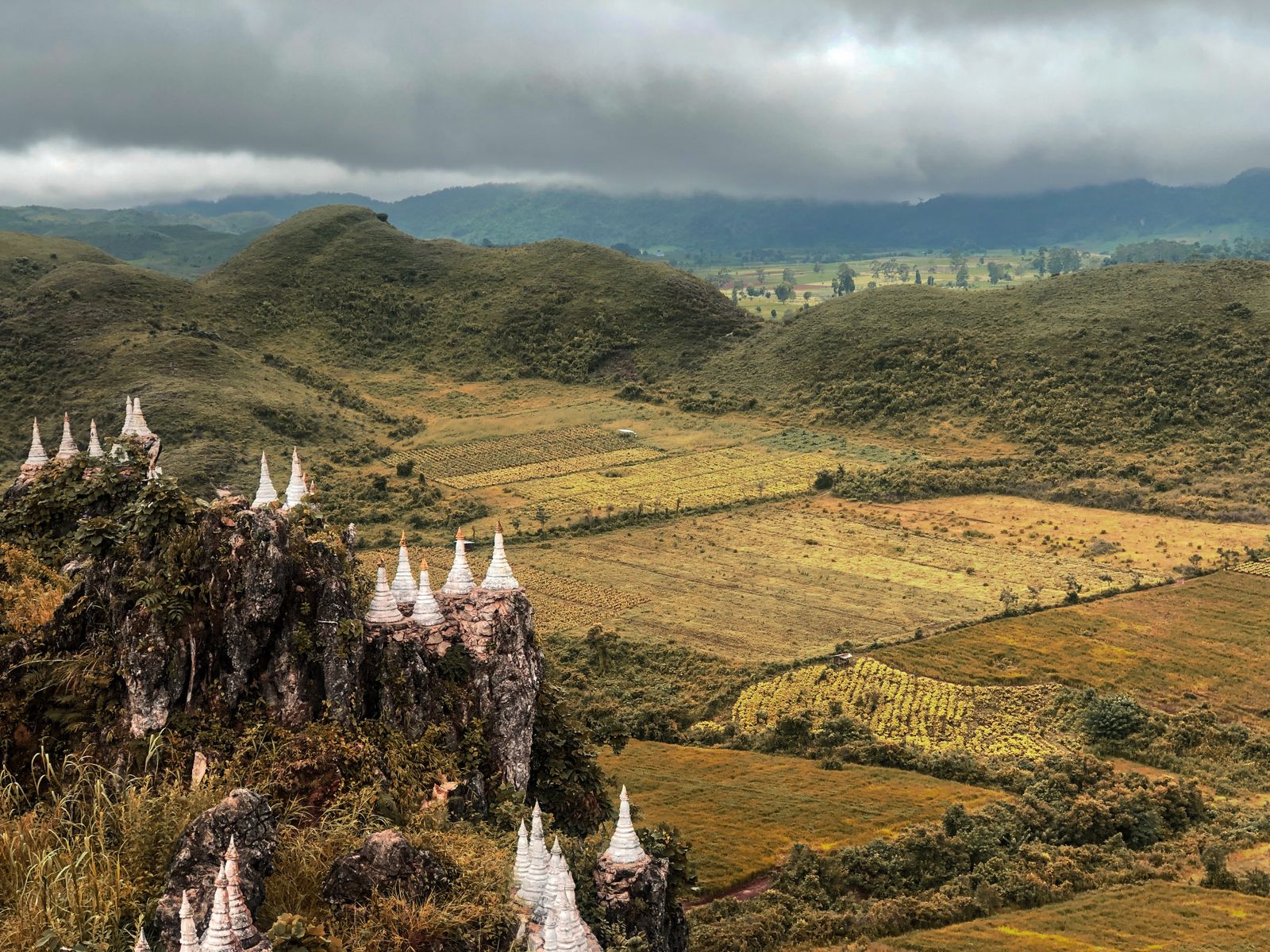
Photo: Yan Naing Lin (Pexels)
Myanmar weather follows three distinct seasons that shape everything about a visit — from road conditions to festival dates to the price of a guesthouse bed. In brief: November to February is cool and dry (the classic tourist window), March to May is hot and increasingly humid, and June to October brings the Southwest Monsoon with heavy, widespread rain. Understanding these rhythms will help you pack right, book smart, and avoid being stranded on a washed-out road.
The Three Seasons of Myanmar Climate
Cool Dry Season (November – February)
This is the most comfortable time to travel and the country’s peak tourism period. Temperatures across most of lowland Myanmar sit between roughly 20 °C and 30 °C (68–86 °F) during the day, dropping noticeably at night — especially in Mandalay and Bagan, where evenings can feel distinctly chilly. The sky is largely clear, roads are in their best condition, and major festivals including Tazaungdaing (November) and Thingyan preparations begin. Shan State highlands and the Chin Hills can be genuinely cold overnight, so bring a warm layer if you plan to trek.
Hot Season (March – May)
Temperatures climb steadily from March and peak in April and early May, often exceeding 40 °C (104 °F) in the central dry zone around Bagan and Mandalay. Humidity builds as the monsoon approaches. This is the quietest and cheapest time to travel, but the heat is genuinely intense. The Thingyan Water Festival (mid-April) is one of Myanmar’s most joyful events and is worth the heat. Coastal areas like Ngapali are still workable but become very humid by May.
Monsoon Season (June – October)
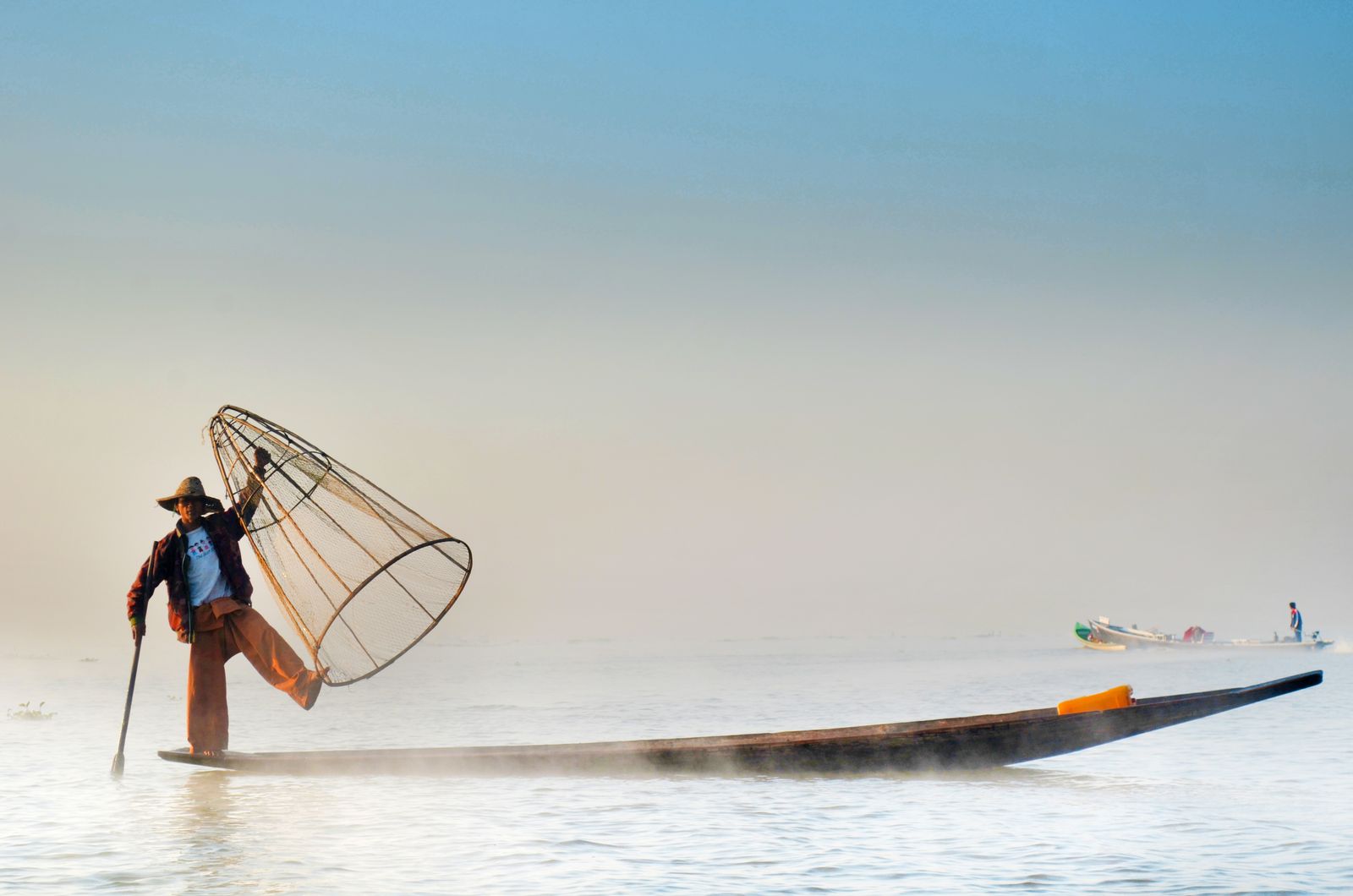
The Southwest Monsoon arrives from the Bay of Bengal, hitting the Rakhine coast first and sweeping inland. Rainfall is heaviest from July through September. Many rural roads become impassable, river levels rise dramatically, and some guesthouses in remote areas close. That said, the landscape turns brilliantly green, the country is uncrowded, and prices drop significantly. Inle Lake can be beautiful in the early monsoon weeks before flooding becomes a concern. Yangon and Mandalay receive heavy rain but remain open year-round.
Myanmar Weather Month by Month
The table below gives typical conditions for the lowland central region (Yangon/Mandalay/Bagan). Coastal and highland areas differ — see the regional section below.
| Month | Temp Range (°C) | Rainfall | Verdict |
|---|---|---|---|
| January | 18–30 | Very low | Peak season — excellent |
| February | 19–32 | Very low | Excellent, quieter than Jan |
| March | 22–36 | Low | Good, heat building |
| April | 25–40 | Low–moderate | Hot; Thingyan festival |
| May | 26–38 | Moderate–high | Monsoon approaching |
| June | 25–35 | High | Monsoon onset; some disruption |
| July | 24–33 | Very high | Heavy rain; rural roads difficult |
| August | 24–32 | Very high | Wettest month in many areas |
| September | 24–33 | High | Still heavy rain |
| October | 23–33 | Moderate | Rain easing; good value window |
| November | 20–31 | Low | Tourism season opens |
| December | 18–29 | Very low | Peak season; book ahead |
Temperature ranges are general approximations for the lowland central region. Verify current forecasts through a reliable meteorological source before travel.
Regional Climate Differences
Myanmar’s geography creates striking climate variation across relatively short distances.
The Central Dry Zone (Bagan, Mandalay, Inle)
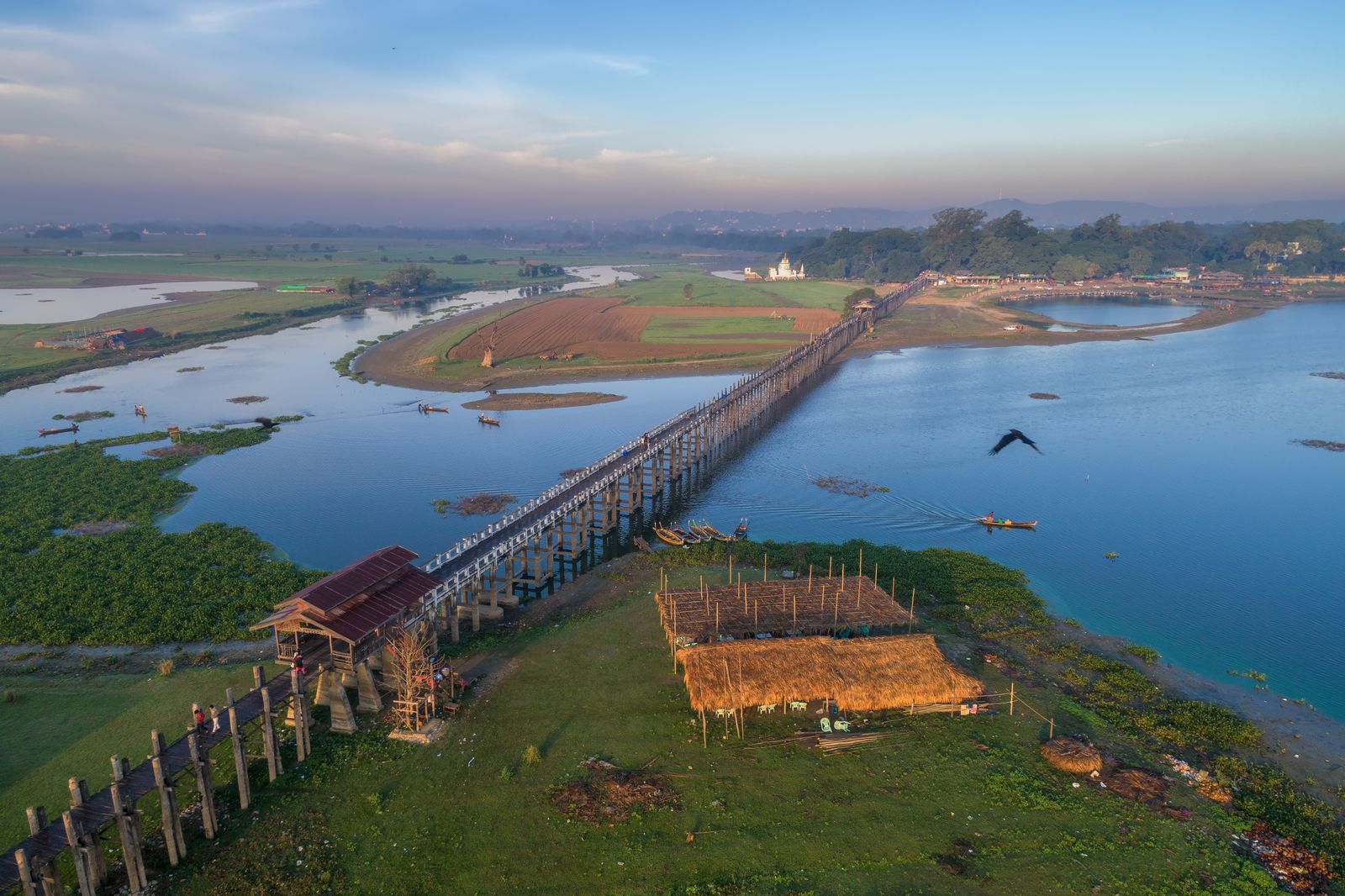
This region receives significantly less rain than the coast — Bagan averages under 600 mm of annual rainfall in some estimates, compared with over 2,500 mm on the Rakhine coast. The trade-off is extreme heat in the hot season. The dry zone is most pleasant from November through February. Inle Lake, set at around 900 m, stays cooler than Mandalay year-round.
Rakhine (Arakan) Coast — Ngapali and Sittwe
The coast faces the full force of the Bay of Bengal monsoon. Rain often begins in late May and can continue through mid-October. The beach season at Ngapali runs firmly from November to April, and resort facilities in that area may close entirely during the monsoon months. Always confirm with your accommodation that they are open before booking travel to coastal destinations in the shoulder or wet season.
The Shan Highlands (Kalaw, Taunggyi, Hsipaw)
Altitude moderates temperatures considerably. Even in April, highland towns like Kalaw (around 1,300 m) feel refreshing compared with the Mandalay plain. Nights can fall close to freezing in December and January. Trekking here is best in the cool dry season; trails become muddy and slippery during the monsoon, and leeches are a real consideration from July onward.
Chin Hills and Sagaing Region
These highland areas receive heavy monsoon rainfall and experience cold winters. Access roads can be severely affected in wet season. Visitors planning trekking or travel to Chin State should research road conditions carefully and consult local operators who know current conditions on the ground.
Weather in Yangon
Yangon sits in the Irrawaddy Delta and receives significant monsoon rainfall — typically over 2,000 mm per year — much of it falling between June and September. Flooding in low-lying neighborhoods is common during peak monsoon months. As a major urban hub, Yangon remains fully operational year-round, but outdoor sightseeing is more comfortable in the cool dry season.
Packing Tips by Season
Cool dry season: Light layers for daytime, a fleece or light jacket for evenings (essential in the highlands). Sunscreen is still necessary.
Hot season: Breathable, loose-fitting clothing in natural fabrics. A hat, sunglasses, and high-SPF sunscreen are essential. Stay hydrated, and plan outdoor sightseeing for early morning or late afternoon.
Monsoon season: A packable rain jacket or poncho is more practical than an umbrella on bumpy roads. Quick-dry clothing is helpful. Budget extra time for all journeys and carry cash in case of disruptions.
Planning Around Myanmar Weather
For a full look at how weather intersects with festivals, crowds, and activity seasons, see our guide to the best time to visit Myanmar.
If you’re heading to specific regions, our Myanmar itinerary guide discusses routing that takes seasonal conditions into account. For cultural events tied to specific months, the Myanmar festivals calendar is a useful companion.
Practical travelers should also check the Myanmar visa page before planning, as entry requirements and border crossing conditions can change independently of the season.
FAQ
What is the best month to visit Myanmar for good weather?
November through February offers the most reliably pleasant weather across most of the country — clear skies, moderate temperatures, and dry roads. December and January are peak months, so accommodation fills up; February can be a slightly quieter alternative with very similar conditions.
Does Myanmar have a rainy season?
Yes. The Southwest Monsoon typically runs from June through October, bringing heavy rainfall particularly on the coast and in the Irrawaddy Delta. The central dry zone around Bagan and Mandalay receives considerably less rain than coastal areas even during monsoon season.
Is Myanmar worth visiting during the monsoon?
It can be. Prices drop, crowds thin out, and the landscape is lush. However, some rural roads become impassable, and certain remote destinations or coastal resorts may be closed. Stick to well-connected hubs like Yangon, Mandalay, and Inle Lake, and build extra flexibility into your schedule.
How cold does Myanmar get?
In the lowland cities (Yangon, Mandalay, Bagan), temperatures rarely feel cold to most international visitors. However, highland areas like the Shan Plateau, the Chin Hills, and elevated parts of Kachin State can experience frost overnight in December and January. Pack warm layers if your itinerary includes hill treks.
Is weather in Yangon different from the rest of Myanmar?
Yangon is wetter than the central dry zone — it receives substantial monsoon rainfall and can experience localized flooding from June to September. Temperatures are also more humid year-round than inland cities. Cool dry season conditions (November–February) are pleasant in Yangon, with lower humidity and comfortable daytime temperatures.