Myanmar Export Guide: Products, HS Codes & Compliance

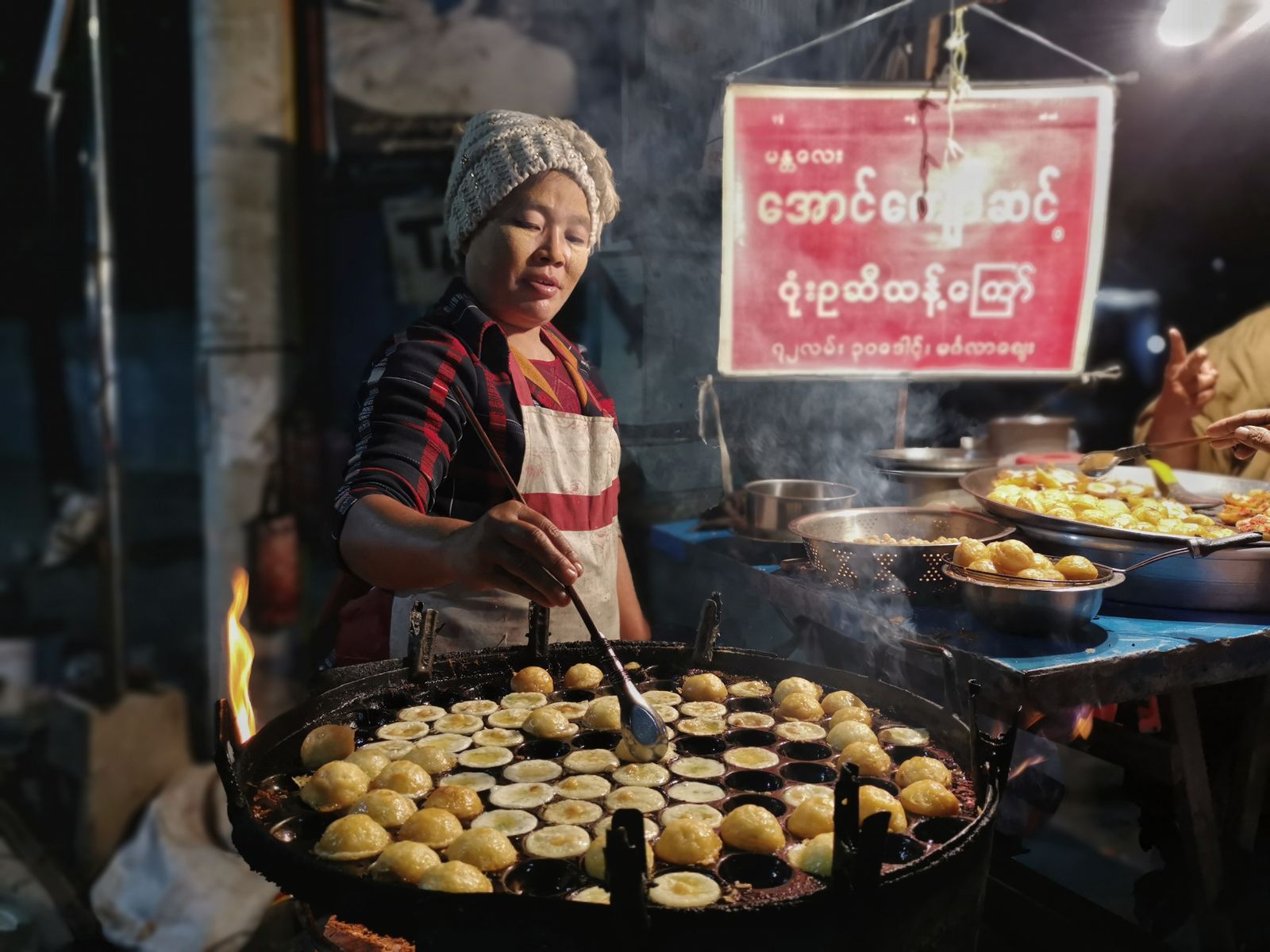
Photo: Yen Nguyen (Pexels)
Myanmar exports a wide range of products — from agricultural commodities and garments to natural gas, gemstones, and timber. Understanding what the country produces for international markets, how export documentation works in general terms, and what compliance and due-diligence obligations apply is essential for any business researching sourcing from or trade with Myanmar. This guide covers each of these areas, with an important emphasis on the sanctions and regulatory context that shapes any engagement with Myanmar today.
Myanmar’s Main Export Categories
Agricultural Commodities
Agriculture has historically underpinned Myanmar’s export base. The country is a significant producer and exporter of:
- Rice: One of Myanmar’s oldest export commodities; historically among Southeast Asia’s largest rice exporters, though market share has shifted over decades.
- Pulses: Black-eyed peas, pigeon peas, mung beans, and lentils are substantial exports, with India and China as primary destinations.
- Sesame: Myanmar is among the world’s major sesame producers; seeds are exported for food and oil.
- Fishery products: Both marine and freshwater fish and seafood are exported, primarily to regional markets.
- Fruits and vegetables: Watermelon, mangoes, and various vegetables are exported, especially to China by border trade.
Agricultural trade tends to flow heavily through land borders with China, Thailand, and India in addition to maritime channels through Yangon and Thilawa.
Garments and Textiles
Myanmar developed a substantial garment-export sector during the 2010s, producing clothing and textiles for international brands. Factory production, concentrated around Yangon’s industrial zones, served markets in the EU, US, and Japan primarily. The sector grew rapidly on the back of lower labour costs relative to China and Bangladesh, before experiencing significant disruption from 2021 onward as international brands reconsidered their sourcing posture.
Garment exports are classified under HS Chapters 61 (knitted or crocheted clothing) and 62 (woven clothing), with related accessories under Chapter 63.
Natural Gas and Petroleum Products
Natural gas is Myanmar’s single largest export earner by value in recent decades. Offshore fields in the Gulf of Martaban and Bay of Bengal supply pipelines to Thailand and, through the Shwe gas project, to China (HS Chapter 27). International energy companies involved in upstream production have faced reputational and compliance scrutiny related to revenue-sharing with state entities; several have exited Myanmar since 2021.
Gems, Jade, and Precious Stones
Myanmar is one of the world’s most important sources of rubies, sapphires, and jadeite jade, and also produces spinel, peridot, and other gemstones. Gems and precious stones fall under HS Chapter 71 (natural or cultured pearls, precious stones, metals, and related).
This sector carries the highest due-diligence burden of any Myanmar export category. Multiple jurisdictions — including the United States — have enacted specific legal prohibitions on the import of Myanmar jade and rubies. The sector is deeply intertwined with military-linked commercial entities. Any business considering sourcing Myanmar gems or jade must seek legal advice before any purchase, import, or re-export. See our dedicated guide on Myanmar gems and jade for context on the sector and its significance.
Timber and Wood Products
Teak and other hardwoods have historically been significant Myanmar exports, with trade flows to China, India, and regional markets. Timber exports are classified under HS Chapters 44–46.
The timber sector has also attracted specific sanctions and trade restrictions in various jurisdictions, linked to concerns about forest management, the role of military-linked entities in the logging industry, and the use of timber revenues. Import of Myanmar teak has been restricted or prohibited in the EU and other markets. Due diligence on timber and wood product supply chains from Myanmar is required.
Other Manufactured Goods
Beyond garments, Myanmar exports footwear (HS Chapter 64), rubber and rubber products (Chapter 40), and processed food items (Chapters 16–21). Manufacturing for export is concentrated in the Thilawa Special Economic Zone near Yangon and surrounding industrial zones.
How HS Codes Work in Export Trade
The Harmonized System (HS) is an internationally standardised classification framework maintained by the World Customs Organization (WCO). It is used by virtually every country in the world as the basis for import and export declarations.
HS codes begin with a two-digit chapter, followed by a four-digit heading and a six-digit subheading; countries add additional digits for national tariff purposes. The first six digits are internationally harmonised. HS classification determines tariff rates, sanctions restrictions, rules-of-origin eligibility, and statistical reporting. When sourcing from Myanmar, correctly identifying the HS code for your goods is an essential first step — a qualified customs broker can assist.
Certificates of Origin
A Certificate of Origin (CoO) certifies where a product was manufactured and is used to determine preferential tariff eligibility and rules-of-origin compliance. Myanmar has historically benefited from Generalised System of Preferences (GSP) treatment in some markets, allowing certain exports to enter at preferential rates — but GSP benefits were suspended or withdrawn by the EU and US following the events of 2021. Verify the current status with your customs authority or trade counsel.
Due Diligence and Sanctions: What Every Importer Must Know
The sanctions environment is the most critical compliance consideration for any business sourcing goods from Myanmar.
The US (OFAC), EU, UK, Canada, and Australia all maintain sanctions programmes targeting individuals, entities, and sectors connected to the Myanmar military. Sanctions can prohibit transactions with designated parties, restrict sector-specific trade (jade, gems, timber, and arms face explicit restrictions in US law), and extend to secondary-sanctions risks for non-US companies transacting in US dollars.
Practical steps for importers:
- Screen counterparties against official sanctions lists before any transaction — OFAC’s SDN list, the EU Consolidated Sanctions List, and the UK OFSI list, checked directly on official government websites.
- Map your supply chain. Identify ownership and control of your Myanmar suppliers and flag any links to state-owned enterprises or military-connected entities.
- Assess sector risk. Jade, gems, timber, and arms carry the highest risk. Agricultural goods and garments are lower risk but still require screening.
- Get legal advice. This guide does not constitute legal advice. Consult a qualified sanctions and trade-compliance lawyer in your jurisdiction.
- Document everything. Records of screening, supplier assessments, and legal reviews are essential in the event of a compliance query.
Our Myanmar business directory lists companies across sectors, and our guide on made in Myanmar covers manufacturing and export industries in more detail.
Responsible Sourcing
Beyond legal compliance, many buyers and brands face reputational and ethical questions. The EU’s Corporate Sustainability Due Diligence Directive (CSDDD) is expanding mandatory human-rights and environmental due-diligence obligations for larger companies sourcing globally. Investor expectations and brand policies add further pressure. For those continuing to engage, the UN Guiding Principles on Business and Human Rights provide a widely-used framework for responsible sourcing.
FAQ
What does Myanmar export the most?
By value, natural gas has historically been Myanmar’s largest single export commodity, followed by gems and jade, garments, and agricultural goods including rice and pulses. The exact ranking varies by year and data source, and has been significantly affected by disruptions since 2021.
Is it legal to import goods from Myanmar?
It depends on your jurisdiction, the specific goods, and the counterparties involved. Sanctions regimes in the US, EU, UK, and other countries prohibit transactions with designated entities and restrict trade in specific sectors including gems, jade, and arms. Legal clearance from a qualified trade-compliance lawyer in your jurisdiction is essential before any import from Myanmar.
What are HS codes and do I need them for Myanmar imports?
Harmonized System (HS) codes are the internationally standardised product classification codes used in customs declarations worldwide. You will need to correctly classify any goods you import from Myanmar using HS codes — this determines applicable tariff rates, preferential-treatment eligibility, and which specific restrictions or prohibitions may apply to your goods.
Can I import Myanmar jade or rubies?
This is highly jurisdiction-specific and subject to legal restrictions in several countries. The United States has enacted specific prohibitions on Myanmar jade and rubies under the Tom Lantos Block Burmese JADE Act. Other jurisdictions have varying restrictions. You must obtain legal advice from a qualified sanctions lawyer in your jurisdiction before any purchase, import, or re-export of Myanmar gems.
How do I find verified exporters in Myanmar?
Our Myanmar business directory lists businesses across sectors. Any counterparty must be screened against current sanctions lists and subject to appropriate due diligence before engagement. A qualified local agent or legal counsel can assist with supplier verification.