Myanmar Tourism: The State of Travel in 2026
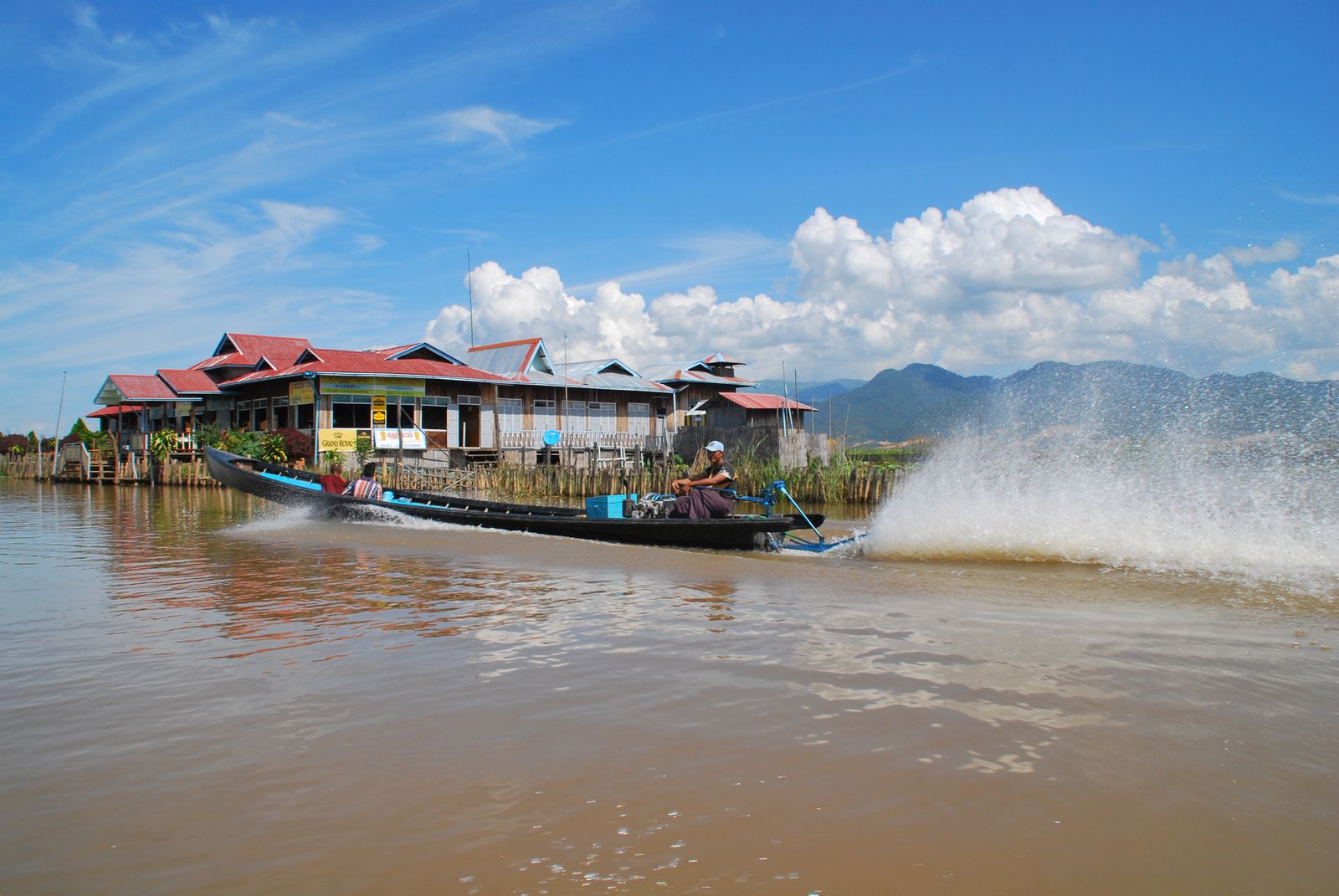
Photo: Micha Höfer (Pexels)
Myanmar tourism in 2026 exists in a complicated space. The country holds some of Southeast Asia’s most extraordinary cultural and natural heritage — ancient temple plains, floating-village lakes, misty highland trekking routes — but the ongoing political situation since 2021 means that travel here requires more preparation, more ethical consideration, and more honest self-assessment than almost any other destination in the region. This guide gives an honest overview of what the landscape looks like, who is visiting, what remains accessible, and how to approach a trip responsibly.
Important notice: Entry requirements, regional security conditions, and government travel advisories change frequently. Before booking, check current official advice from your government (France Diplomatie, UK FCDO, US State Department, or your national equivalent). A visa does not guarantee safe or advisable travel. See our dedicated Myanmar safety guide for a current security overview.
Myanmar Tourism Today: An Honest Overview
Myanmar received substantial visitor numbers in the years leading up to 2020, driven by iconic attractions — Bagan’s temple plains, Inle Lake, Yangon’s colonial streetscapes, and a trekking circuit through the Shan Hills that had no real equivalent elsewhere in Southeast Asia.
Since 2021, tourism volumes have dropped sharply, and the nature of the visitor profile has shifted. The travelers visiting today tend to be either those with specific connections to the country, long-term Southeast Asia explorers who have been watching the situation closely, or journalists and researchers. Backpacker circuits that were once busy have thinned considerably.
What this means practically: some tourist infrastructure that operated smoothly in 2018 or 2019 has since contracted, changed ownership, or closed. Guesthouses and restaurants you might find referenced in older guides may no longer exist. On the other hand, travelers who do visit often report a country that feels less crowded at major sites than at any point in recent memory — the trade-off being that the reason for that is not a welcome one.
What Remains Open and Accessible
The major cultural sites continue to be physically accessible for visitors who enter legally and follow applicable guidelines.
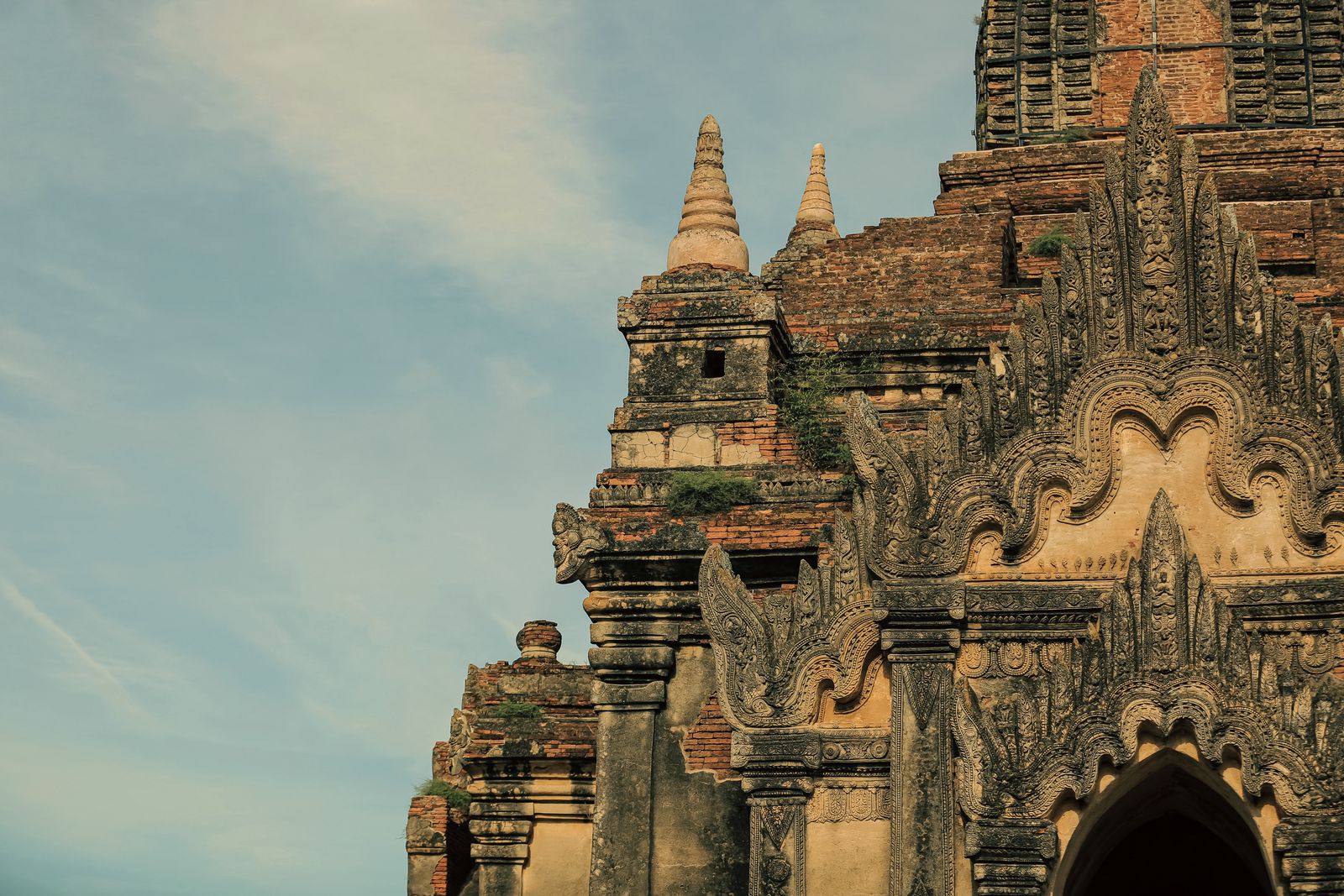
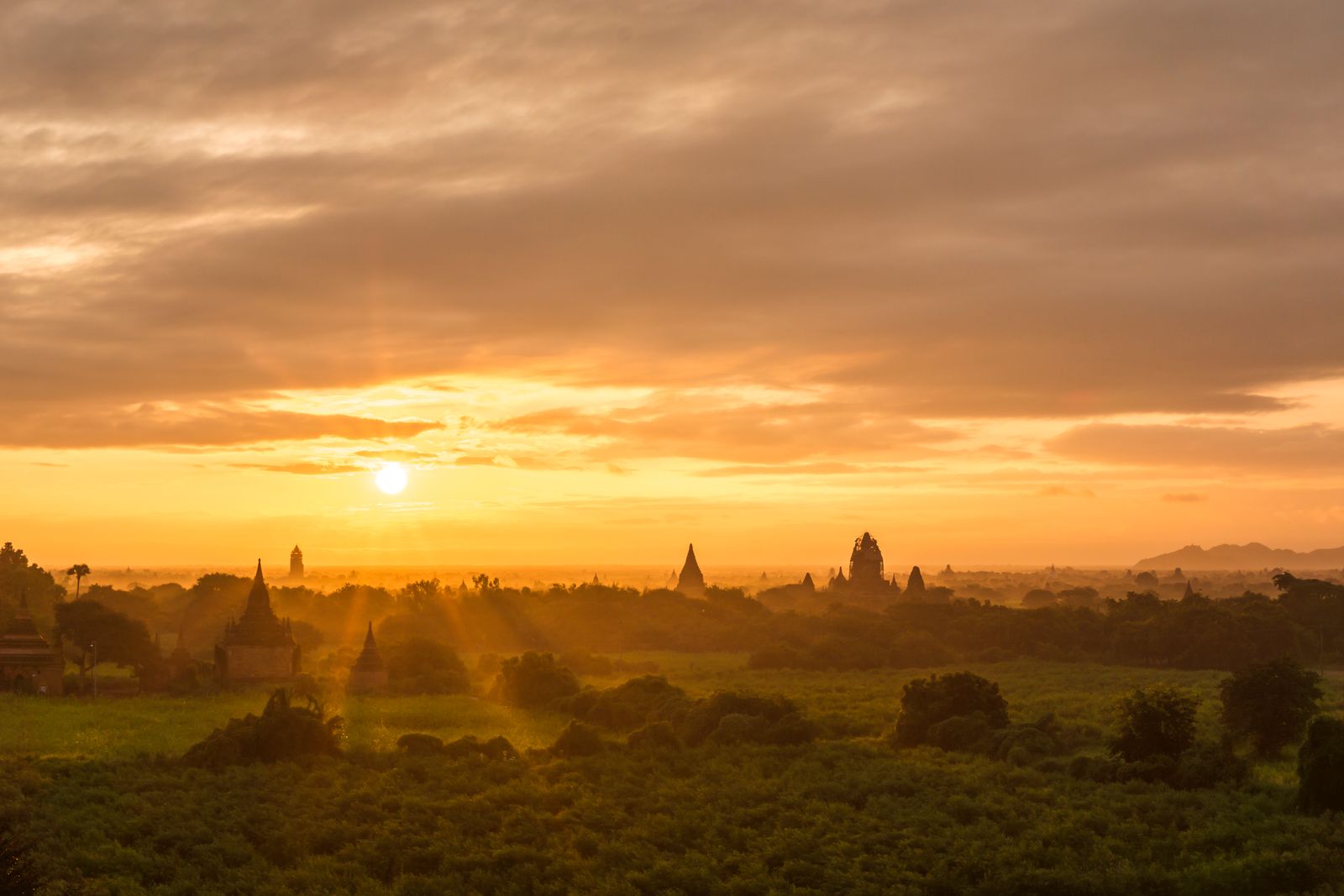
Bagan — Myanmar’s most famous tourism asset, the ancient plain of over 3,000 Buddhist monuments — remains reachable and visitable. Hot air balloon operations, one of the defining experiences in this area, have continued seasonally (generally October through April) depending on operator capacity. For more detail on navigating the temples themselves, see our Bagan guide.
Yangon continues to function as the primary international entry point, with its market districts, waterfront, and the Shwedagon Pagoda remaining the first call for most visitors.
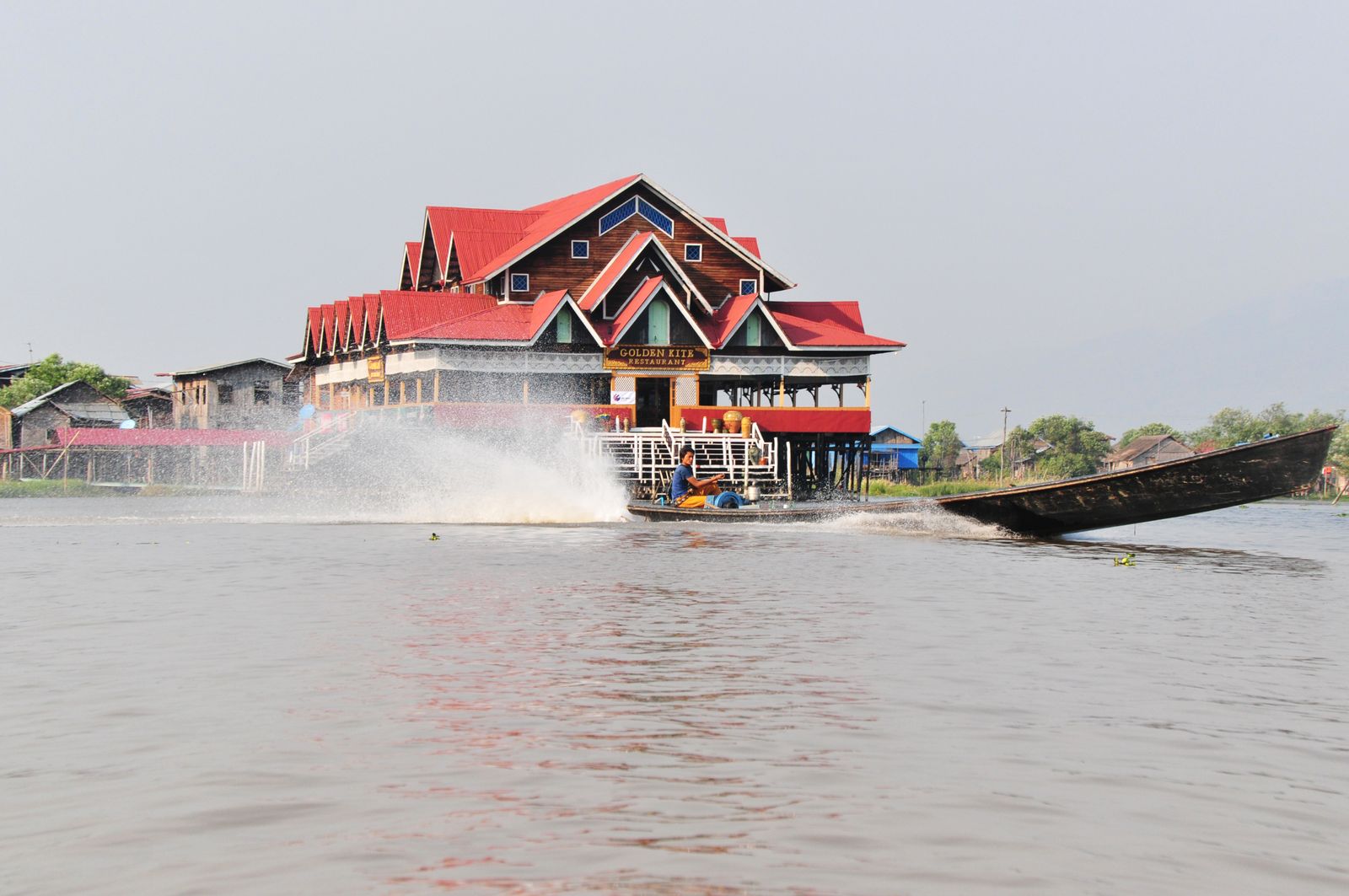
Inle Lake, reached via Heho Airport in Shan State, remains a destination that draws visitors for its floating gardens, stilted villages, and leg-rowing fishermen — though travel conditions in Shan State require close monitoring before and during any trip.
Mandalay and surrounding areas — Sagaing, Mingun, the U Bein Bridge at Amarapura — remain on itineraries for visitors committed to northern Myanmar.
The honest caveat is this: road access and regional security vary significantly by area and can change quickly. Some regions that were open to independent travelers in previous years now require guided tours or are effectively inaccessible. An up-to-date Myanmar itinerary should be built with flexibility and contingency in mind.
Who Is Visiting Myanmar in 2026
The current visitor mix is different from the pre-2020 era. Regional travelers — visitors from neighboring countries with family, business, or religious connections to Myanmar — make up a significant share of arrivals. Long-haul leisure travelers are present but at reduced numbers compared to peak years.
There is also a subset of travelers who come specifically because of interest in what the country is experiencing — photographers, writers, researchers, people with deep prior ties. This is not a motivation to be taken lightly; visiting any country in a difficult period should involve serious thought about where spending goes and what signals a visit sends.
Responsible Travel in Myanmar
The ethics of tourism here are genuinely contested, and this is not a question with a clean answer. The debate involves several considerations:
Economic impact on local people: Tourism spending can directly benefit guesthouses, restaurants, guides, drivers, market vendors, and craft workers — many of whom are ordinary people with no connection to political actors. Proponents of “responsible” continued tourism argue this lifeline matters.
Support for state-linked businesses: Myanmar’s tourism infrastructure has historically included hotels, airlines, and sites with connections to government or military-affiliated entities. Where money flows is a legitimate ethical question. Travelers who do visit generally try to direct spending toward locally owned guesthouses, independent guides, and community-run services rather than large conglomerate hotels.
What your government says: Some governments have moved beyond “exercise caution” to actively advising against all but essential travel to Myanmar or specific regions. Following your government’s advice is not just a personal choice — it has implications for travel insurance coverage, consular assistance in emergencies, and more.
There is no universally correct position here. What responsible travelers tend to agree on is: research carefully, spend locally and consciously, stay informed throughout the trip, and do not make light of the context in which you are traveling.
Practical Planning Realities
Connectivity: SIM card and eSIM access has changed. Our Myanmar eSIM and SIM card guide covers current options — having mobile internet is important for staying informed during a trip.
Insurance: Standard travel insurance policies may not cover travel to Myanmar given current advisory levels. Check policy exclusions carefully. Providers like Heymondo or SafetyWing offer policies that cover higher-risk destinations, but read the fine print on what is and is not included.
Flights and entry: International arrivals typically route through Yangon International Airport. Direct connections from regional hubs exist, though route availability changes. Book refundable or flexible fares given the unpredictability of conditions.
Money: Foreign card acceptance is limited in many areas. Arriving with sufficient cash (typically US dollars in good condition, exchanged for kyat on arrival or in-country) is still the practical norm for many travelers. Check current advice on exchange rates and accepted denominations.
The Best Time to Go — If You Go
If your planning is at an early stage, timing your visit within the November to February cool dry season gives the best weather conditions, passable roads, and the full range of outdoor activities. However, the ethical and logistical context described above should come before weather planning. For a full seasonal breakdown, see our best time to visit Myanmar guide.
FAQ
Is Myanmar open to tourists in 2026?
Myanmar accepts foreign visitors who have a valid visa and who enter at permitted international gateways. However, many governments maintain travel advisories ranging from “exercise a high degree of caution” to “do not travel” for all or parts of the country. Entry being technically possible does not mean travel is currently advisable. Check your government’s most recent advisory before making any decision.
What can you still do as a tourist in Myanmar?
Major sites including Bagan’s temples, Yangon’s Shwedagon Pagoda, and Inle Lake remain physically accessible to visitors who enter legally. Balloon flights over Bagan continue seasonally. Urban sightseeing, local markets, and guided cultural tours are still available, though the range of operators and services is smaller than in previous years.
Is it ethical to visit Myanmar right now?
This is a question that thoughtful travelers debate seriously. Economic support for local people — guides, guesthouse owners, market vendors — is one argument for continued responsible tourism. Concerns about the broader context, where spending goes, and what a visit signals are real counterpoints. Research the current situation, read multiple perspectives, and make a considered personal decision rather than treating it as a standard travel choice.
How has Myanmar tourism changed since 2021?
Visitor volumes declined significantly from 2021. The backpacker circuit that thrived in the 2010s has contracted. Some guesthouses, tour companies, and services that were active until 2020 are no longer operating. The visitor profile has shifted toward regional travelers, those with prior connections to the country, and a smaller number of long-haul travelers who have researched the situation carefully.
What should I know before booking flights to Myanmar?
Before booking: read your government’s current travel advisory in full; check visa requirements and permitted entry points; confirm your travel insurance covers Myanmar (many standard policies exclude it under current advisory levels); prepare for limited ATM/card access in many areas; and build significant flexibility into your itinerary given how quickly conditions can change.