Shwedagon Pagoda: Complete Visitor Guide
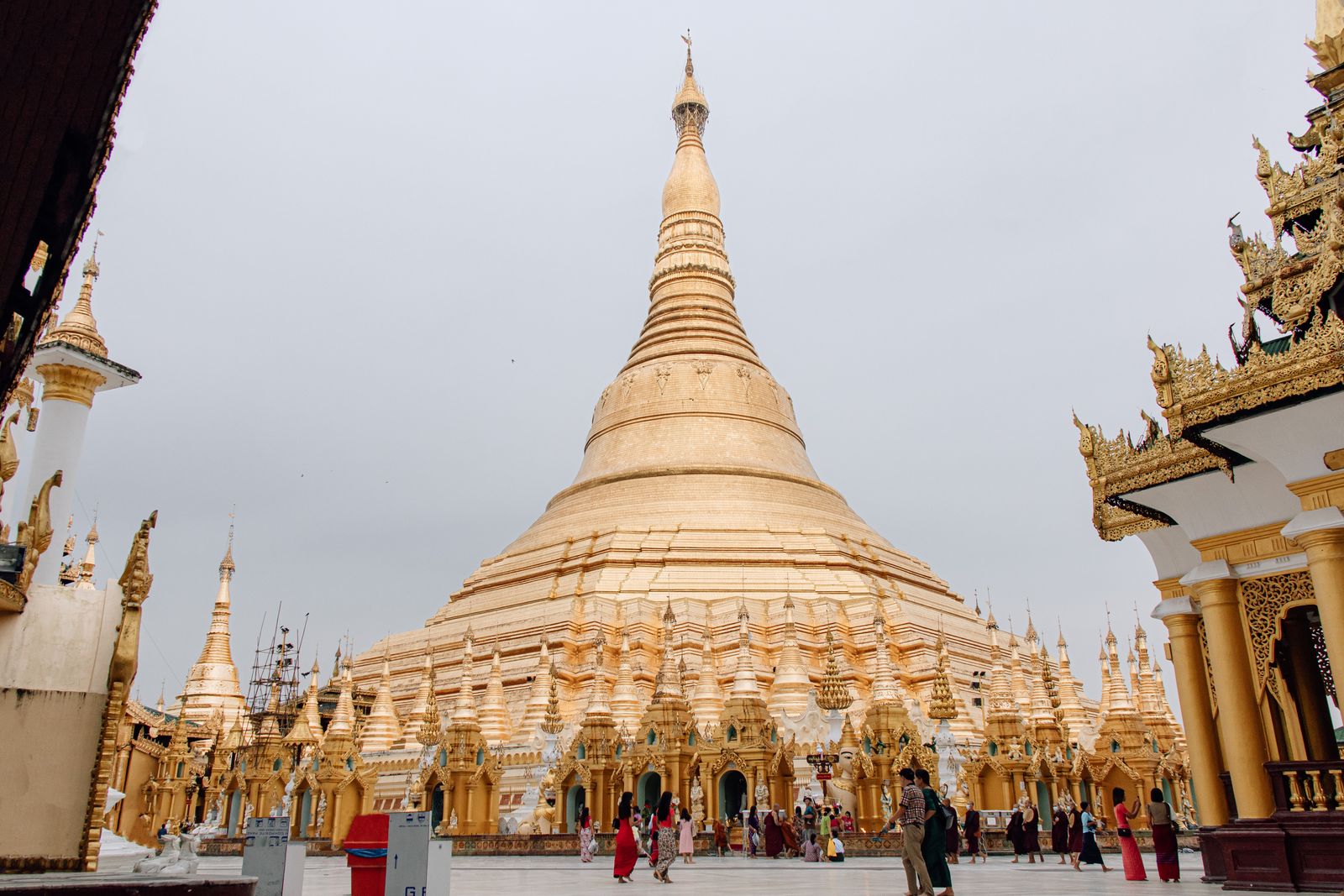
Photo: Zaonar Saizainalin (Pexels)
Shwedagon Pagoda is Myanmar’s most sacred Buddhist site and one of the most remarkable religious monuments in Southeast Asia. Rising roughly 98 metres above Singuttara Hill in central Yangon, its gold-clad stupa has anchored the city’s skyline — and the spiritual life of the country — for centuries. Whether you have a few hours or a full day, a visit to Shwedagon is the single most memorable thing you can do in Yangon.
A Brief History of Shwedagon Pagoda
The exact age of Shwedagon is debated, but Mon and Burman chronicles place its origins well over a thousand years ago. According to tradition, the pagoda enshrines eight hairs of the Gautama Buddha, making it one of the few sites in the world said to contain relics of the historical Buddha himself.
The stupa has been rebuilt, raised, and embellished repeatedly by successive rulers. Queen Shin Sawbu (15th century) and King Dhammazedi significantly expanded the structure and introduced the tradition of gilding the pagoda with gold leaf. Today the stupa is plated in genuine gold and topped by a diamond-encrusted crown orb — the precise stone count varies by source, so treat any specific figure you encounter with caution.
Shwedagon survived the colonial period largely intact, though it was occupied by British troops on two occasions. After independence in 1948 it became a potent national symbol, and significant speeches during Myanmar’s modern history have been delivered on its grounds.
What to See at Shwedagon
The Main Stupa
The stupa itself dominates everything. Walk the circular marble terrace that rings it and take your time — the experience changes dramatically depending on the angle, the light, and the time of day. Up close you will see individual gold tiles, intricate carvings, and dozens of smaller shrines nestled around the base.
Planetary Posts
A distinctive feature of Burmese Buddhist pagodas is the system of eight planetary posts arranged around the main stupa, one for each day of the traditional Burmese week (Wednesday is split into two, giving eight). Visitors pour water over the Buddha image at the post corresponding to their birth day — a quiet, deeply personal act of devotion you will witness constantly.
Subsidiary Shrines and Pavilions
Dozens of smaller temples, pavilions, and images surround the main stupa. Look for the Naungdawgyi Pagoda (said to predate Shwedagon), the flame-lit prayer halls, and the reclining Buddha images at the western and northern entrances. Each corner features covered pavilions with Buddha images in regional styles.
The Grounds at Night
Shwedagon is open until 22:00 and the grounds are illuminated after dark. The golden stupa glowing against a night sky is a completely different — and arguably more dramatic — experience than the daytime visit. Evenings also bring local families and monks in relaxed prayer, making the atmosphere less tourist-focused.
Entry, Tickets, and Practicalities
Foreign visitors pay an entry fee at the main ticket counters (located at the base of the elevator and escalator entrances). The fee is collected in US dollars or the kyat equivalent. Confirm the current rate on arrival, as fees are subject to change.
There are four covered entrances — north, south, east, and west — each with a staircase lined with vendors selling flowers, candles, and religious items. Elevators and escalators are available at the southern and northern entrances, useful if you are visiting with elderly travellers or young children.
Opening hours: Shwedagon Pagoda is generally open to visitors from around 04:00 to 22:00. Early morning access lets you join monks and devout worshippers for dawn prayers. Check current hours locally before your visit, as special events occasionally affect access.
Dress Code
Shwedagon is an active place of worship and a strict dress code applies:
- Shoes and socks must be removed before entering the terrace. There are supervised shoe stores at each entrance, or you can leave footwear with your bag.
- Shoulders and knees must be covered for all visitors, regardless of gender. Sarongs (longyi) are available to borrow or buy at the entrances if needed.
- Revealing or tight clothing is considered disrespectful. Lightweight, breathable clothing that covers the arms and legs is ideal given the Yangon climate.
The marble terrace can become extremely hot underfoot in the afternoon sun. Light-coloured socks worn until the entrance or a cloth to kneel on are both practical options.
Best Time to Visit Shwedagon Pagoda
| Time of day | Experience |
|---|---|
| Dawn (04:30–07:00) | Monks’ prayers, soft light, fewer crowds |
| Morning (07:00–11:00) | Good light, moderate crowds |
| Afternoon (12:00–16:00) | Very hot marble, strong crowds |
| Sunset (17:00–19:00) | Beautiful gold light, popular with photographers |
| Evening (19:00–22:00) | Illuminated stupa, relaxed local atmosphere |
For the best combination of light and manageable temperatures, aim for early morning or the hour before sunset. The best time to visit Myanmar as a whole is the cool dry season from November to February — during these months the terrace is comfortable underfoot and the skies are clear.
Avoid visiting on major Buddhist holidays (full moon days of Thadingyut and Tazaungmon in particular) if you want a quieter experience. The pagoda draws enormous crowds during festivals, which is spectacular but also extremely busy.
Tips for Your Visit
- Photography: Tripods require special permission. Handheld photography is generally permitted throughout the grounds. Ask before photographing monks or individuals at prayer.
- Budget extra time: Most visitors underestimate how long they want to spend here. Allow at least two hours; many people stay three or more.
- Respect active worship: The pagoda is not a museum — people are praying. Move quietly around shrine areas and do not position yourself between a worshipper and the object of their devotion.
- Currency: Have small-denomination kyat for candles, flowers, or donations at individual shrines. Larger notes can be difficult to break.
- Combine with nearby sights: The National Museum, Kandawgyi Lake, and People’s Park are all within a short distance. See our Yangon city guide for a full neighbourhood overview.
For a broader itinerary combining Shwedagon with Yangon’s other highlights, the Myanmar itinerary section has day-by-day suggestions.
Book a guided Yangon tour A local guide brings Shwedagon’s symbolism and history to life in ways a guidebook cannot. Browse Yangon temple tours and half-day city tours on GetYourGuide: Find Yangon tours on GetYourGuide
FAQ
Is Shwedagon Pagoda worth visiting?
Yes — Shwedagon Pagoda is consistently considered one of the most impressive religious monuments in Southeast Asia and is the defining landmark of Yangon. Even travellers with limited time in Myanmar single it out as unmissable.
What is the entry fee for Shwedagon Pagoda?
A foreign visitor fee applies and is collected in USD or the kyat equivalent at the entrance ticket counters. The exact amount is set by the pagoda authorities and may change; confirm the current rate at the gate.
Can I visit Shwedagon Pagoda at night?
Yes. The pagoda is typically open until 22:00 and the stupa is beautifully illuminated after dark. Evening visits are quieter and the ambiance is quite different from daytime — many visitors return for both.
Do I need to cover my arms and legs?
Yes. Shoulders and knees must be covered for all visitors. Longyi (sarongs) are available to borrow or purchase at the entrance if needed, and shoes must be removed before stepping onto the marble terrace.
How long does a visit to Shwedagon take?
Plan for at least two hours if you want to walk the full terrace, explore the subsidiary shrines, and absorb the atmosphere. Many visitors spend three hours or more, particularly at sunrise or sunset.