Yangon City Guide: What to See & Do
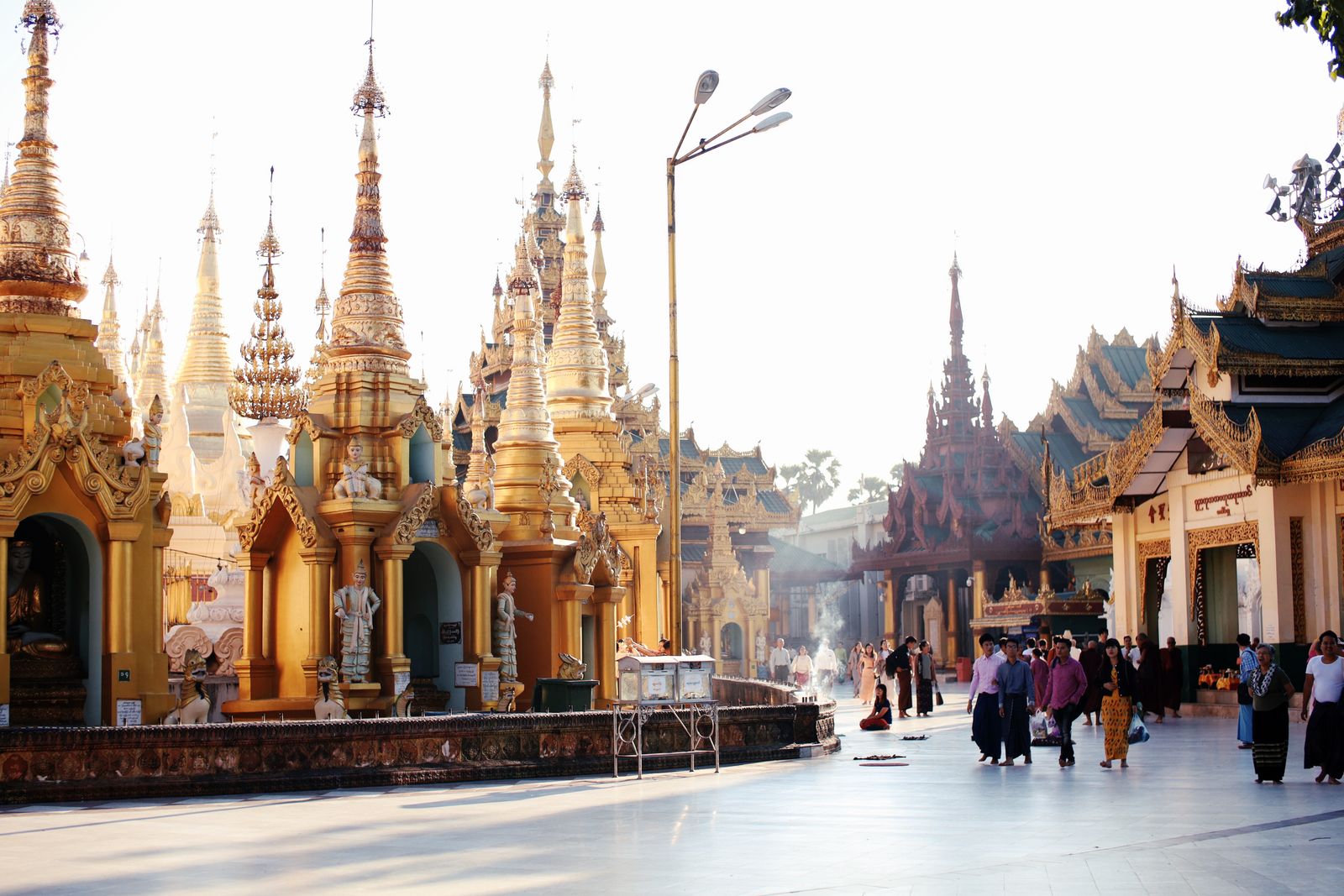
Photo: Tony Wu (Pexels)
Yangon is Myanmar’s largest city and its commercial heart, a place where ornate Buddhist pagodas rise above crumbling colonial office blocks, street-food vendors fill the pavements after dark, and the pace of life shifts dramatically between neighbourhoods. No longer the capital (that distinction moved to Naypyidaw in 2006), Yangon remains the first stop for most international visitors and a city that rewards unhurried exploration.
Understanding Yangon’s Neighbourhoods
Yangon is a sprawling city, and the experience varies considerably depending on where you spend your time.
Downtown (Pabedan and Kyauktada Townships)
Downtown Yangon holds one of the largest concentrations of intact colonial-era architecture in Southeast Asia. Streets of red-brick and cream-plastered buildings from the late 19th and early 20th centuries — many in various states of repair — create a visual atmosphere unlike anywhere else in the region. The grid-pattern street plan, laid out during British administration, makes downtown walkable.
Key downtown landmarks include Sule Pagoda (a 2,000-year-old Buddhist stupa positioned at the centre of the colonial grid), Mahabandula Park, the former Secretariat building (where General Aung San was assassinated in 1947), and a dense concentration of tea houses, curry houses, and street-food lanes.
Pasodan Street and Chinatown
Pasodan Street (also spelled Pansodan) runs north–south through the downtown core and is lined with bookshops, print vendors, and small businesses. The adjacent Chinatown (centred on Latha Township and 19th Street) is one of the most atmospheric parts of the city, particularly in the evening when 19th Street becomes a long outdoor grill, with skewers of meat and tofu cooking over charcoal on both sides of the road.
Dagon and the Shwedagon Area
Moving north from downtown, the neighbourhood around Singuttara Hill is dominated by Shwedagon Pagoda and Kandawgyi Lake. This area is greener and quieter than downtown, with leafy residential streets, embassies, and a different pace. Kandawgyi Lake offers a pleasant walk and a view of the Shwedagon reflected in the water.
Top Sights in Yangon
Shwedagon Pagoda
Yangon’s defining landmark and Myanmar’s most sacred Buddhist site, Shwedagon draws visitors and worshippers alike from across the country. The gold-plated stupa rises approximately 98 metres above the city and is visible from much of central Yangon. Plan at least two hours; the full article on Shwedagon Pagoda covers entry, dress code, best times, and what to see in detail.
The Circular Train
Yangon’s suburban rail network runs a circular route of roughly 45 kilometres around the city, taking about three hours to complete the full loop. The circular train (Yangon Circular Railway) is one of the great slow-travel experiences in Southeast Asia — not for speed or comfort, but for the slice of ordinary Yangon life it reveals. The train passes through bustling station markets, rural-feeling outer districts, and dense neighbourhoods that few tourists ever enter.
Depart from Yangon Central Railway Station (near Sule Pagoda) and buy a ticket for the full circle or ride a section. The carriages fill with vendors selling snacks, produce, and household goods. Travelling in the opposite direction to the main commuter flow (mid-morning on a weekday, for example) makes for a more relaxed journey.
Kandawgyi Lake and Karaweik Palace
Kandawgyi (Royal Lake) sits just east of Shwedagon and offers a pleasant walk around its perimeter. The Karaweik Palace — a floating barge designed in the shape of a royal ceremonial barge — sits on the lake’s eastern edge and is one of Yangon’s more photographed structures. The lakeside walk is particularly pleasant in the early morning or evening.
Colonial Downtown Architecture
Dedicated architecture walks through Pabedan and Kyauktada townships pass dozens of significant buildings in various states of preservation. The former Secretariat, the High Court, the Strand Hotel, and dozens of lesser-known commercial buildings represent a remarkable, if fragile, record of colonial-era urban planning. Informal street architecture tours (guided and self-guided) are available through several local operators.
Chaukhtatgyi Buddha
Less visited than Shwedagon but genuinely impressive, the Chaukhtatgyi Buddha (also spelled Chauk Htat Gyi) is a massive reclining Buddha housed in a large open-sided shed in the northern part of central Yangon. The image is over 65 metres long and features intricate detail on the soles of the feet — a traditional element of reclining Buddha iconography. The atmosphere here is relaxed and devotional, with monks and locals visiting throughout the day.
Food and Eating in Yangon
Yangon’s food scene reflects the city’s diversity — Burmese, Chinese, Indian, and increasingly international options sit alongside each other in the same neighbourhoods.
| Dish / food type | Where to find it |
|---|---|
| Mohinga (fish noodle soup) | Tea houses and street stalls, especially at breakfast |
| Tea-leaf salad (lahpet thoke) | Most Burmese restaurants |
| Shan noodles | Shan restaurants, especially near Bogyoke Market |
| 19th Street grills | Chinatown, evening only |
| Indian curry and roti | Masjid India area, Anawrahta Road |
| Craft coffee | Growing number of specialty cafes in central districts |
Bogyoke Aung San Market (Scott’s Market) houses hundreds of stalls selling crafts, gems, longyi fabric, and food in a covered colonial-era building — and the surrounding streets have good lunch options. For a broader look at Myanmar’s cuisine, the things to do in Myanmar guide includes a food section.
Where to Stay in Yangon
Yangon has accommodation across all price ranges. The downtown area and the Shwedagon district are the two most practical bases for sightseers.
Downtown: Puts you within walking distance of colonial landmarks, Sule Pagoda, and street food. Well-connected to the airport by taxi. Some budget and mid-range options; also home to heritage hotels including the Strand.
Shwedagon/Kandawgyi area: Quieter and greener, with easy access to the pagoda. Mid-range and upscale hotels predominate. A short taxi ride to downtown.
Airport corridor (Mingaladon/Mayangone): Practical for early departures but isolated from sightseeing areas.
For detailed hotel recommendations and booking, see our best hotels in Yangon guide, which covers budget through luxury options with current availability.
Book your Yangon hotel Compare hotels across downtown, the Shwedagon area, and beyond on Booking.com: Search Yangon hotels on Booking.com
Getting Around Yangon
Taxis are the most practical way to cover longer distances in the city. Metered taxis exist but drivers frequently quote flat fares for tourists — agree on a price before getting in. Ride-hailing apps have operated in Yangon and may offer more transparent pricing; check which are currently active.
City buses are extensive but challenging to navigate without Burmese literacy. The circular train (covered above) is the main public rail option. Walking is viable in downtown for short distances but the heat and uneven pavements make it tiring in the warmer months.
The international airport (Mingaladon) is approximately 20 kilometres north of downtown. Allow adequate time for the journey, especially during rush hours.
Practical Tips for Visiting Yangon
- Visa: Most nationalities require a visa to enter Myanmar. The e-Visa system has been used by many visitors, but check current requirements carefully — rules change. See the Myanmar visa guide for current information.
- Currency: The kyat (MMK) is the local currency. USD is widely accepted at hotels and some larger businesses, but small denominations in kyat are essential for taxis, markets, and street food.
- Safety and travel advisories: Check your government’s current travel advice before travelling to Myanmar. The situation has changed significantly since 2021; guidance from the UK FCDO, US State Department, and France Diplomatie should be consulted and monitored throughout your trip.
- Best time: November to February offers the most comfortable temperatures and clear skies. The Myanmar weather guide covers seasonal patterns in detail.
FAQ
How many days should I spend in Yangon?
Two full days covers the main sights at a comfortable pace: Shwedagon, the downtown colonial area, Chinatown, and the circular train. Three days allows time for Chaukhtatgyi, Kandawgyi Lake, and more leisurely exploration of the food scene.
Is Yangon worth visiting?
Yes — Yangon is one of Southeast Asia’s most distinctive cities. The combination of intact colonial architecture, active Buddhist pagodas, and a vibrant street food culture creates an atmosphere found nowhere else in the region.
What is the best neighbourhood to stay in Yangon?
Downtown Yangon is the most convenient for sightseers and has the best street-food access. The Shwedagon area is quieter and greener, better suited to travellers who want easier access to the pagoda and prefer a calmer environment.
Is the circular train in Yangon worth taking?
Yes, for the experience rather than the convenience. The full loop takes around three hours and passes through parts of the city visitors rarely see. It is slow, sometimes crowded, and not climate-controlled — but it offers a genuine look at everyday Yangon life that is hard to replicate any other way.
What should I wear in Yangon?
Lightweight, breathable clothing is practical year-round given the climate. If you are visiting Shwedagon or other religious sites, bring or wear clothing that covers your shoulders and knees, or be prepared to borrow a longyi at the entrance.